|
|
Namer |
|
| |
 |
| |
| |
| |
|
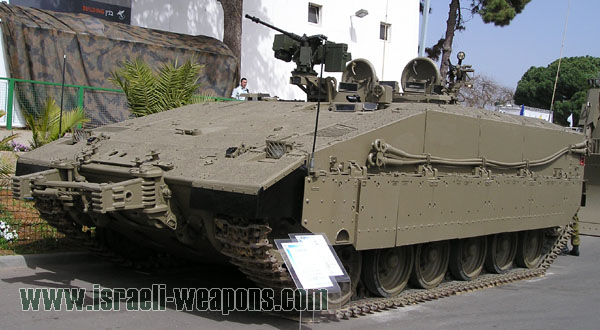
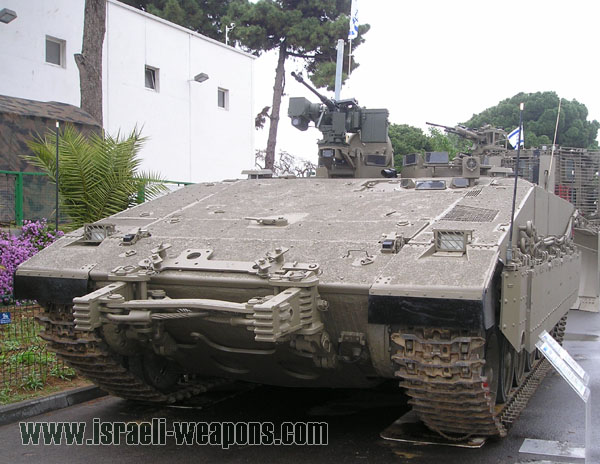
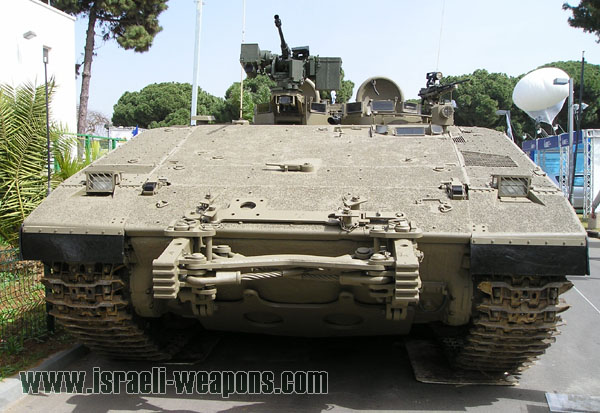
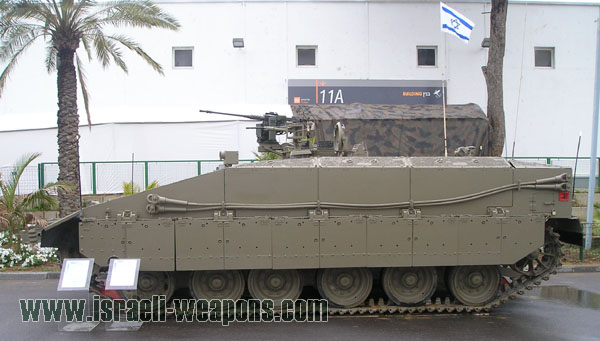
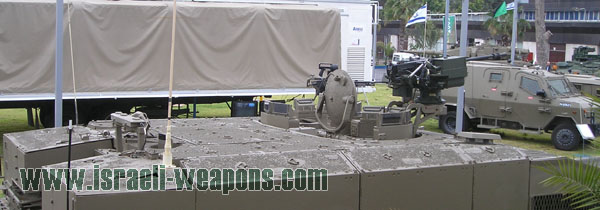
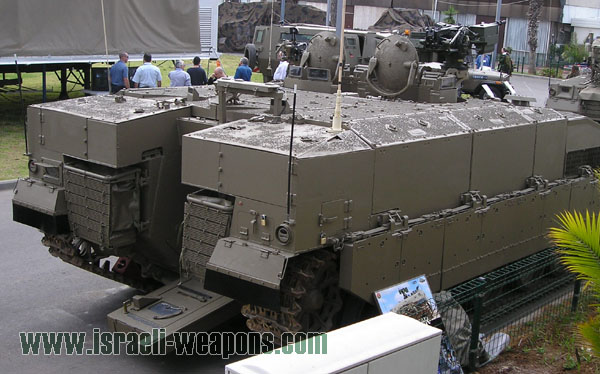
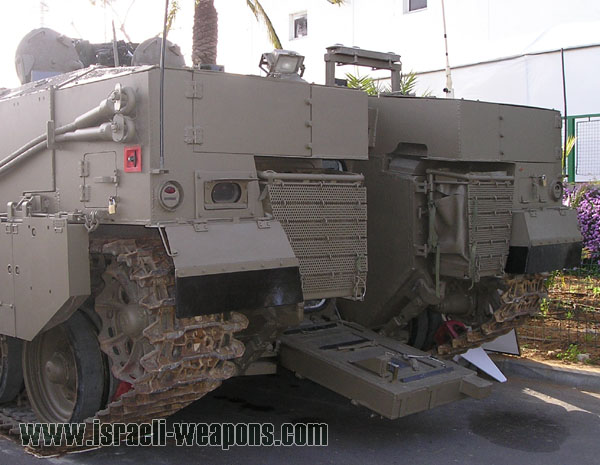
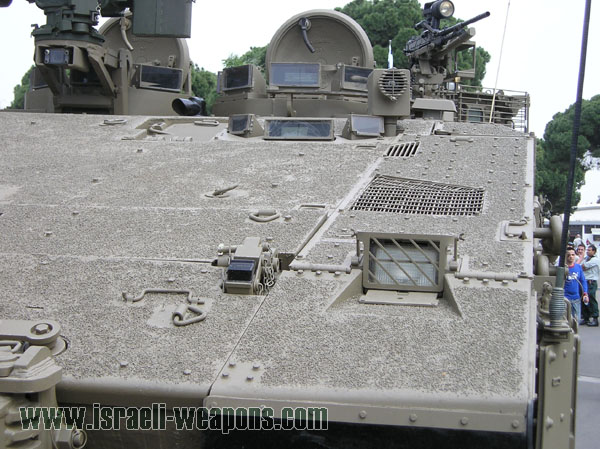
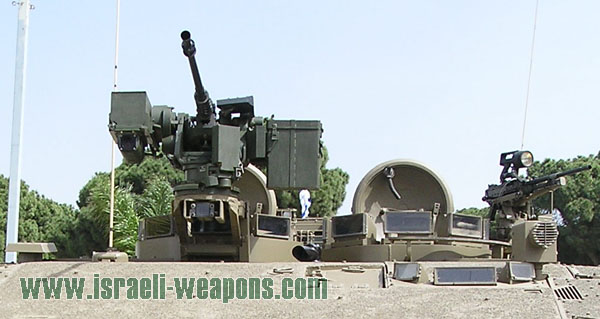
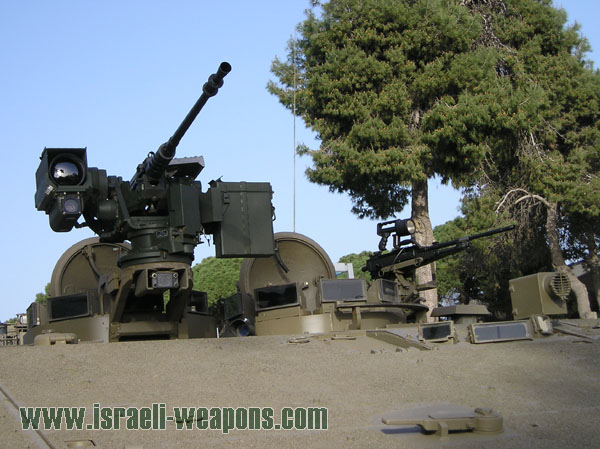
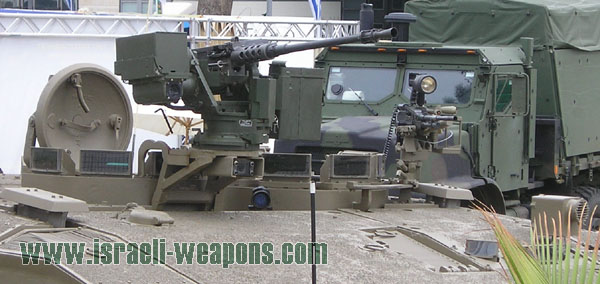
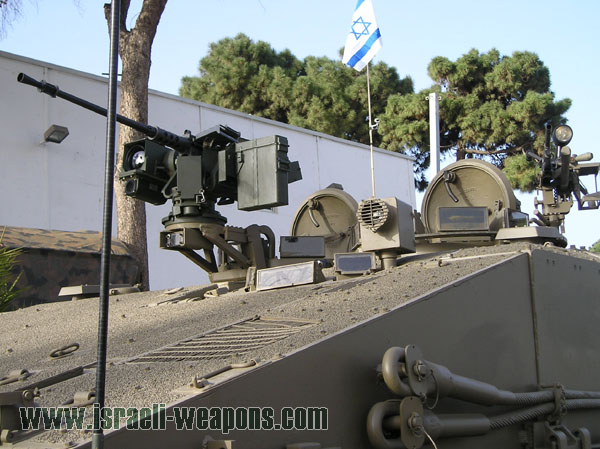
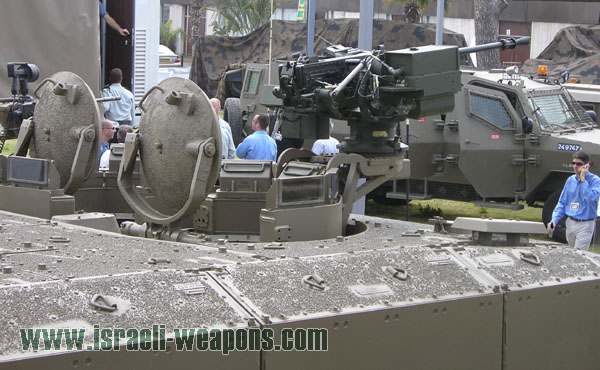
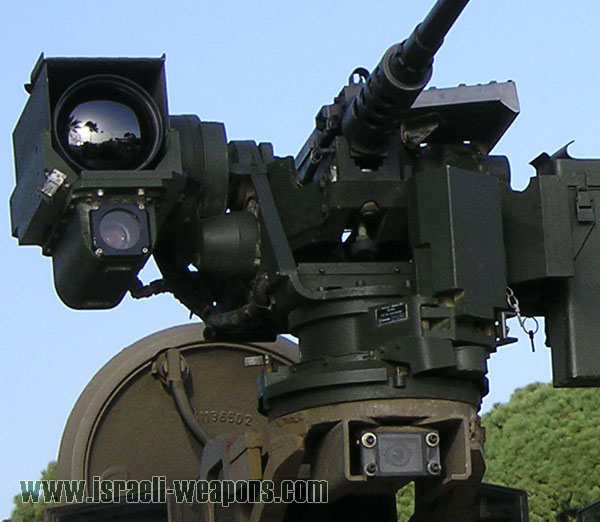
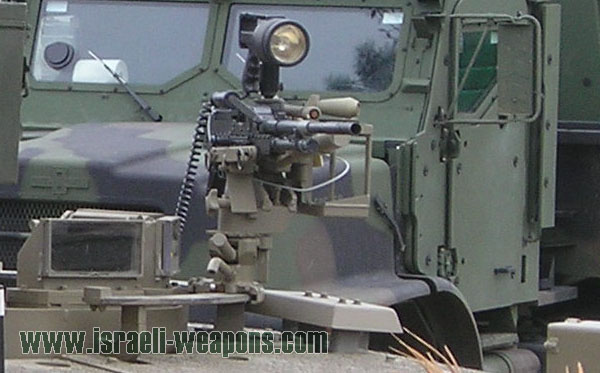
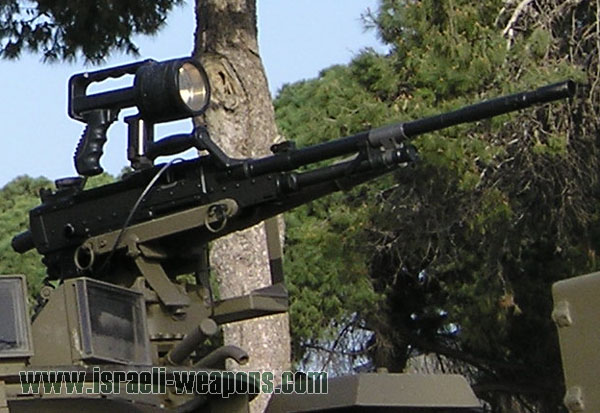
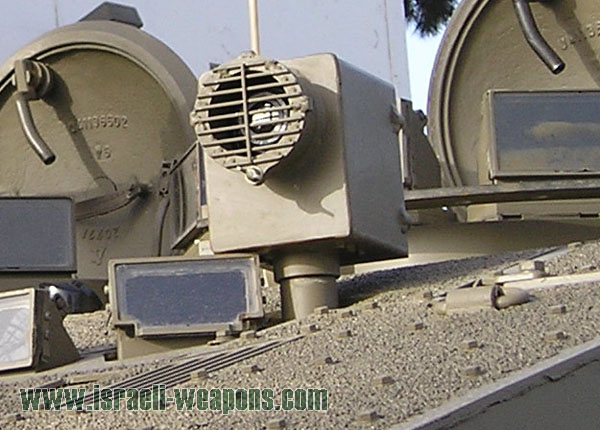
First prototype based on Merkava Mk. 1 chassis.
|
| |
| |
| |
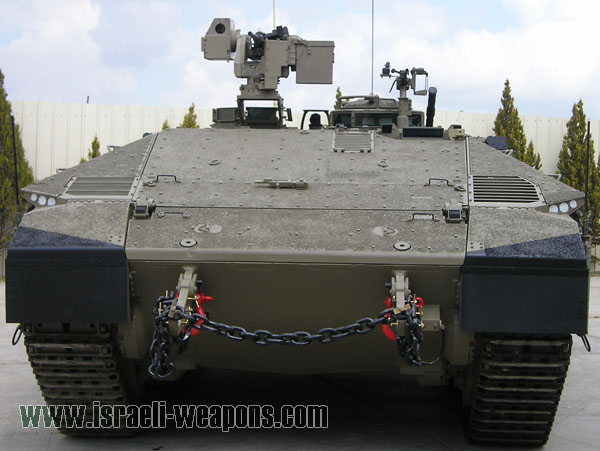
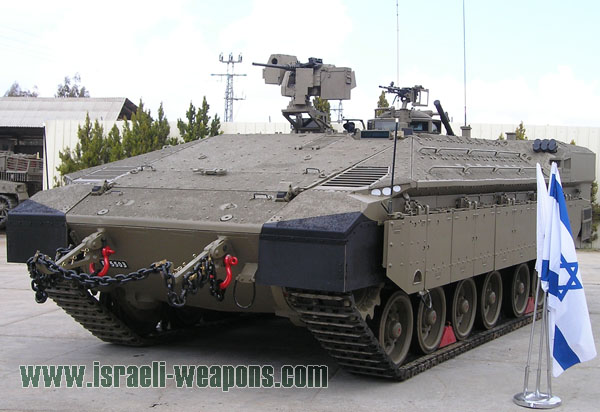
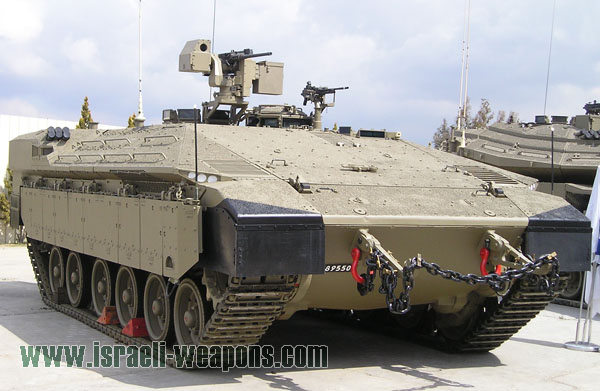
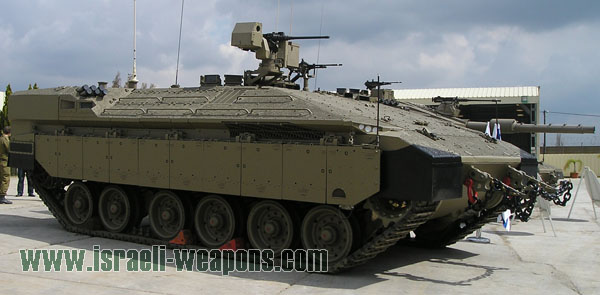
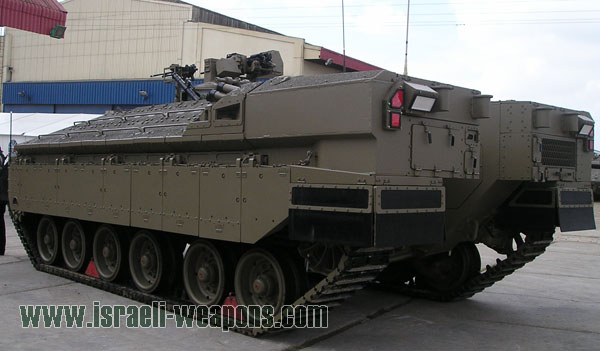
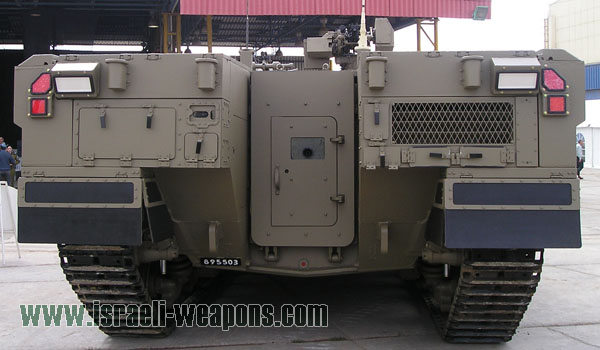
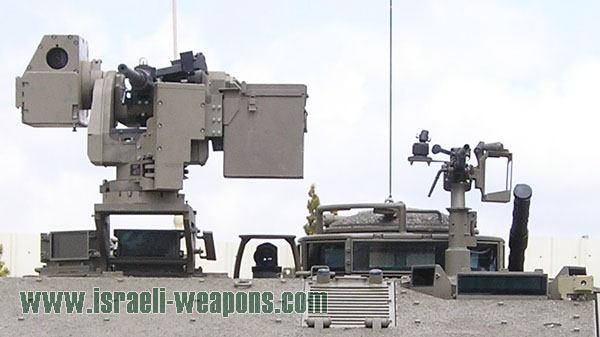
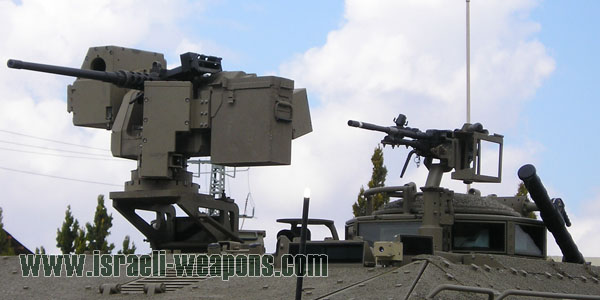
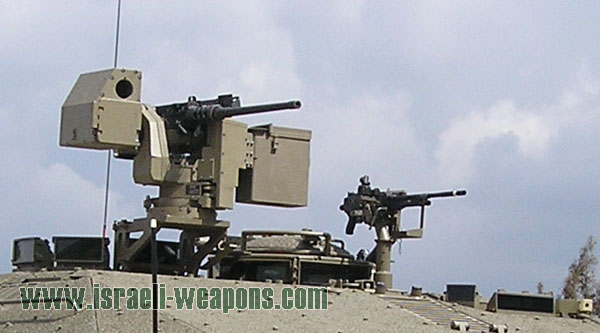
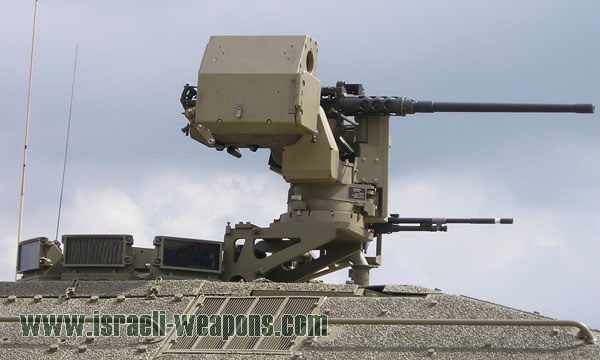
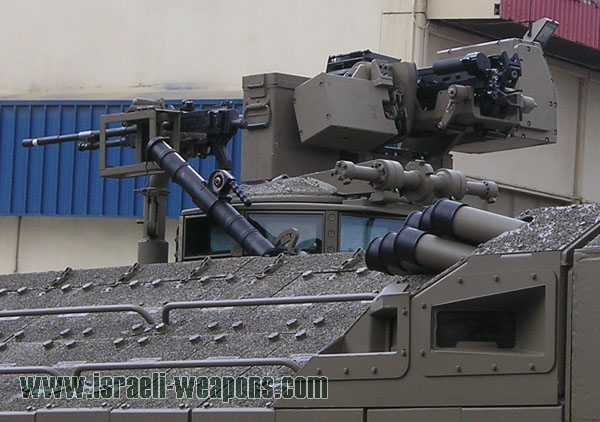
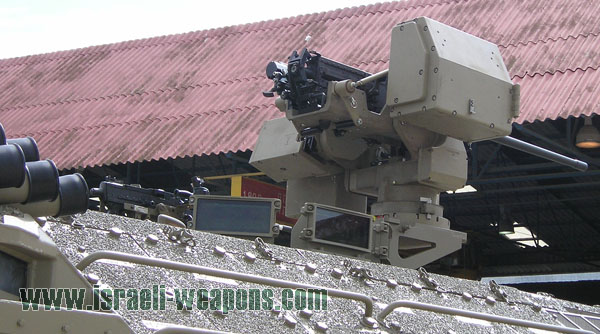
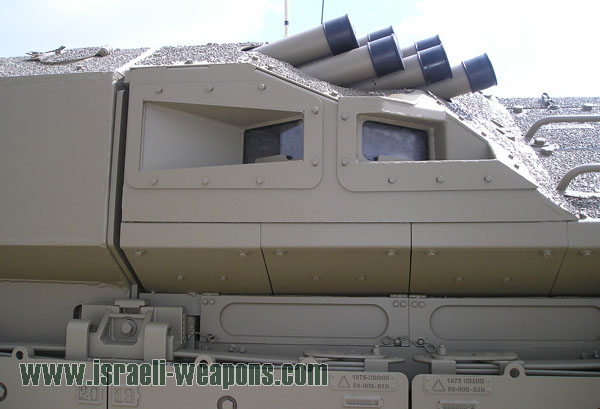 First Namer APC based on Merkava Mk. 4 chassis.
 |
| |
| |
| |
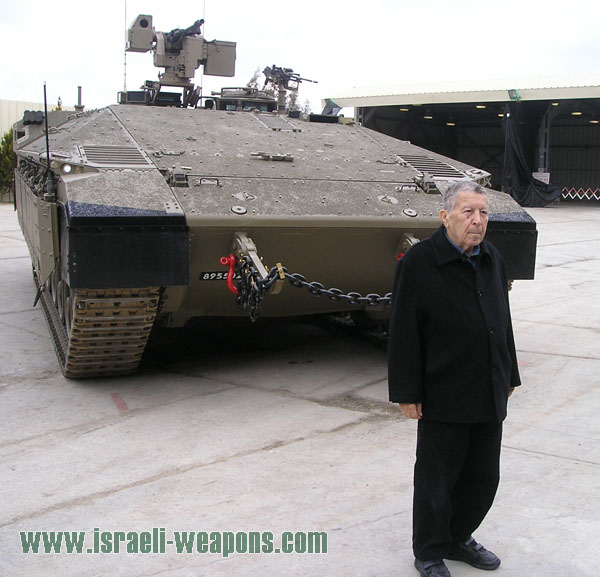
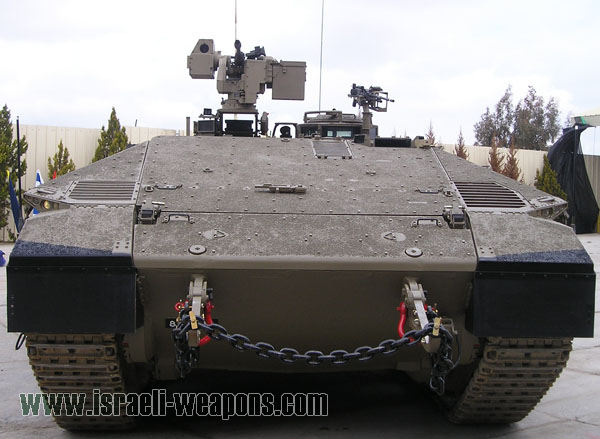
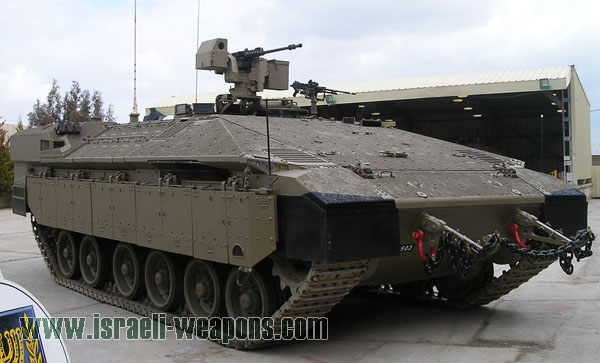
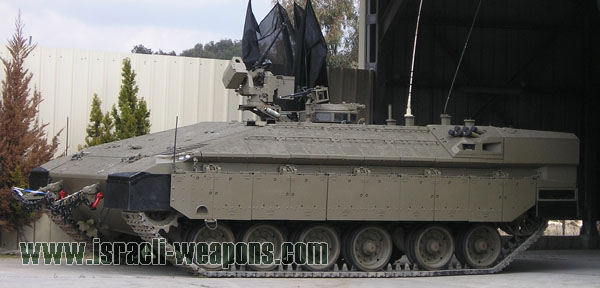
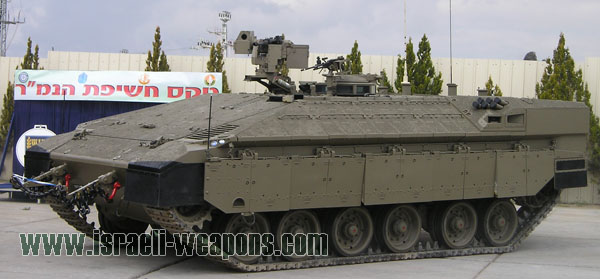
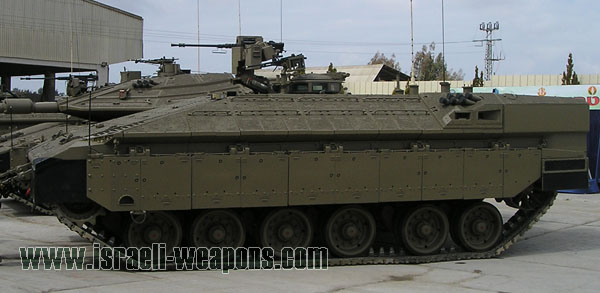
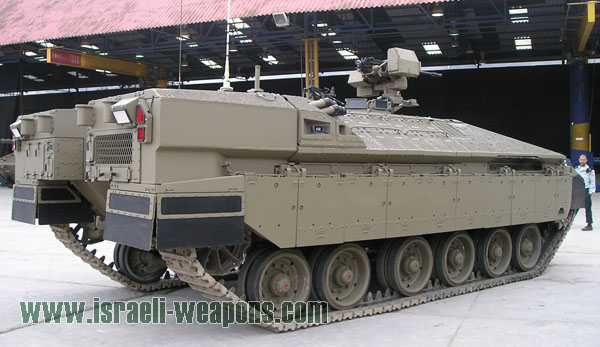
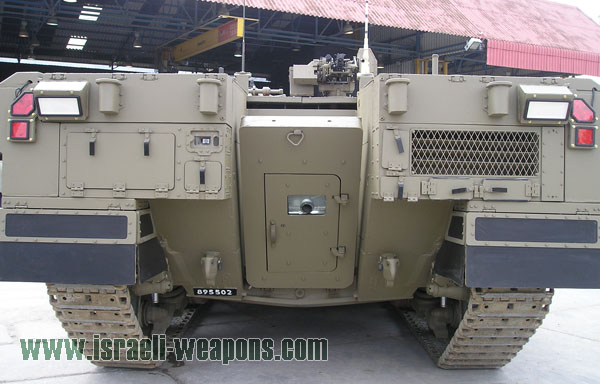
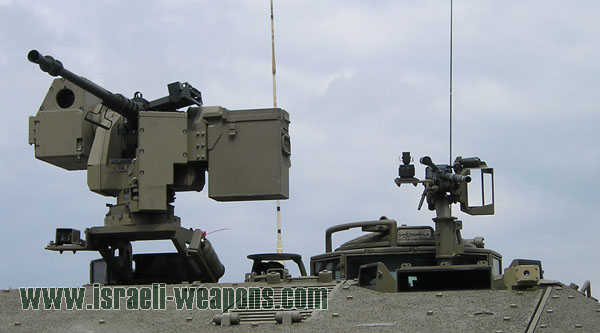
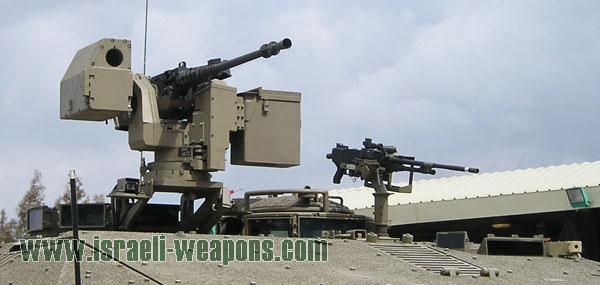
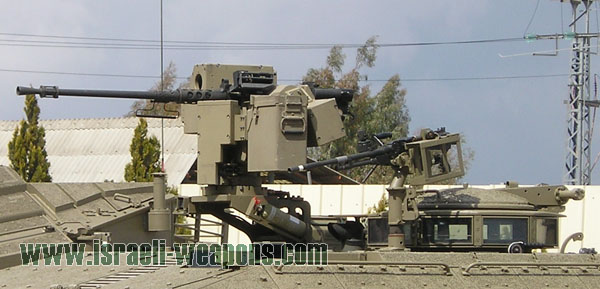
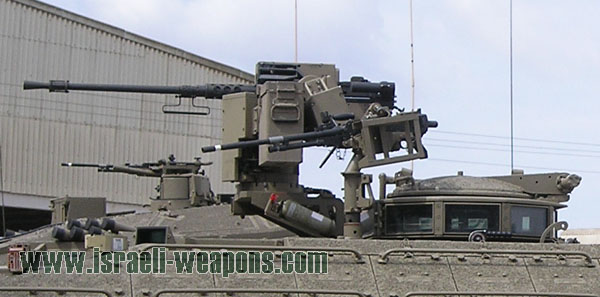
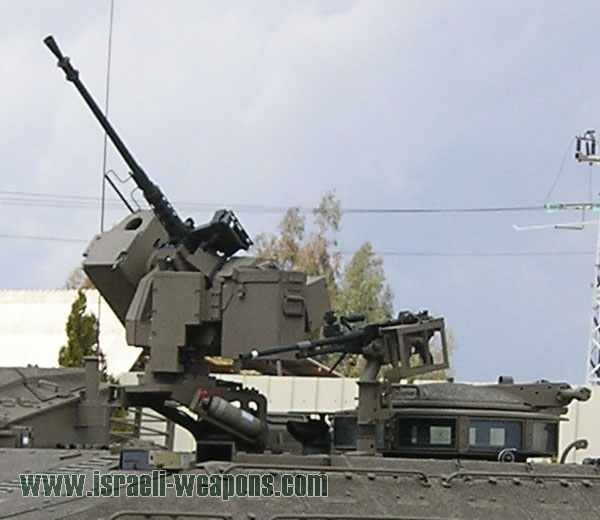
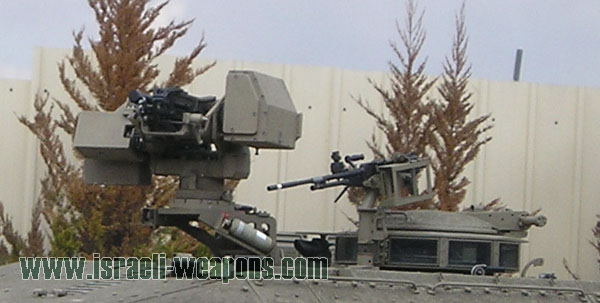
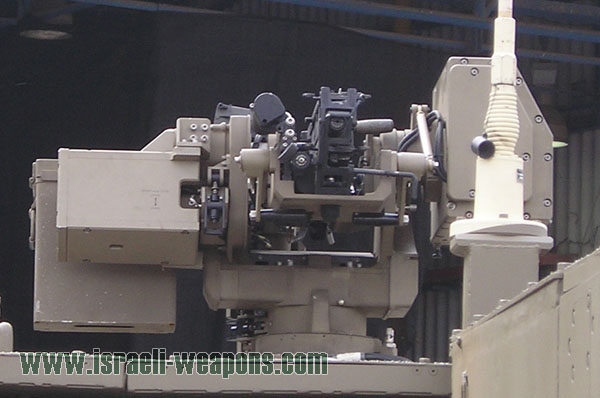
Second Namer APC based on Merkava Mk. 4 chassis.
|
| |
| |
| |
|
| |
|
| |
| |
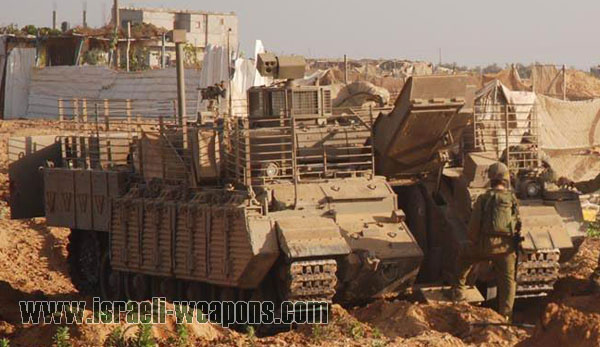 Pilon is Nakpadon version with front door, only few Nakpadon APCs been converted to this model, this is another attempt by the IDF to improve its Heavy APCs for LIC, another great example is Achzarit LIC.
 |
| |
| |
| |
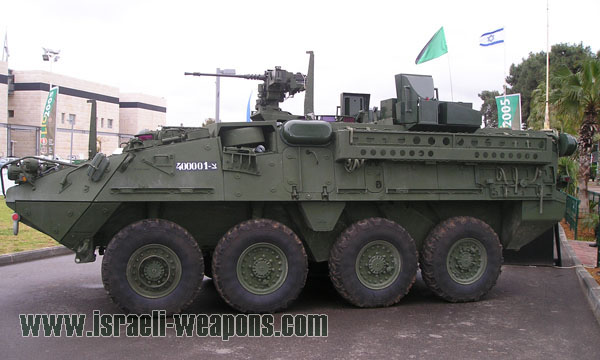
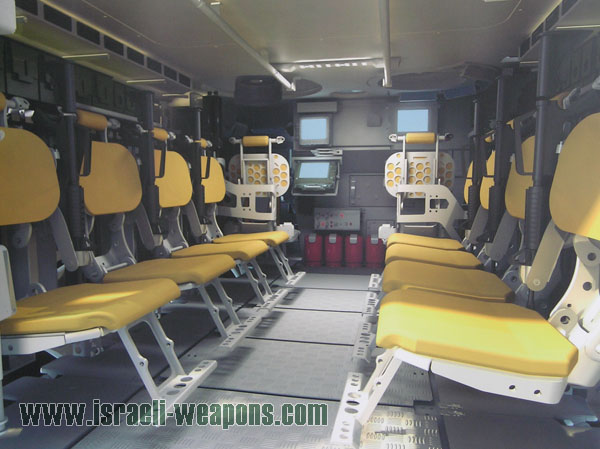
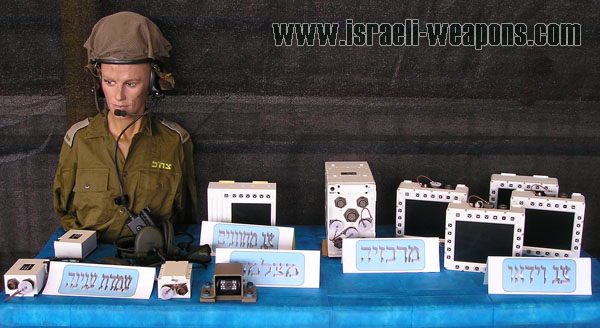
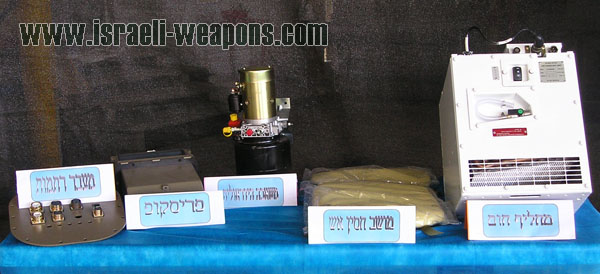
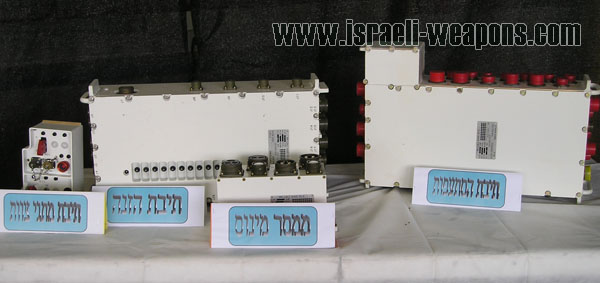
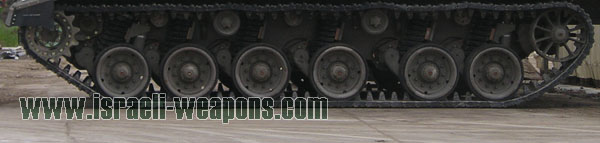
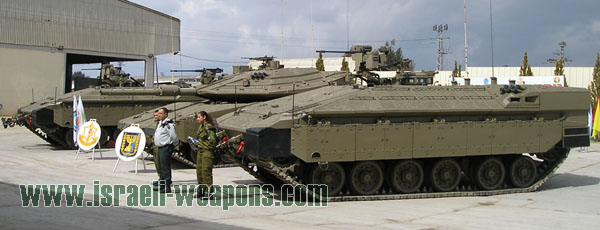
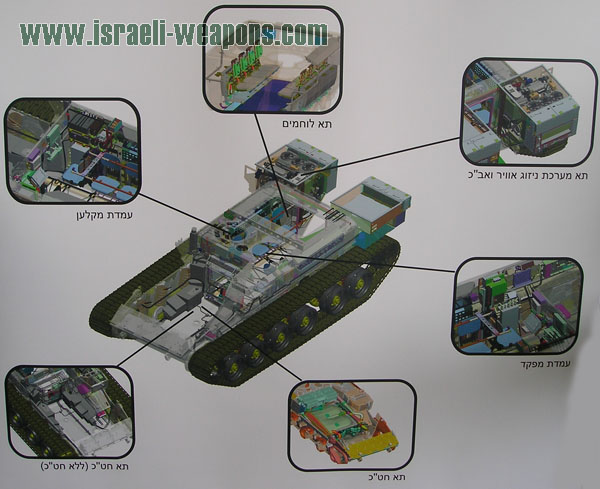
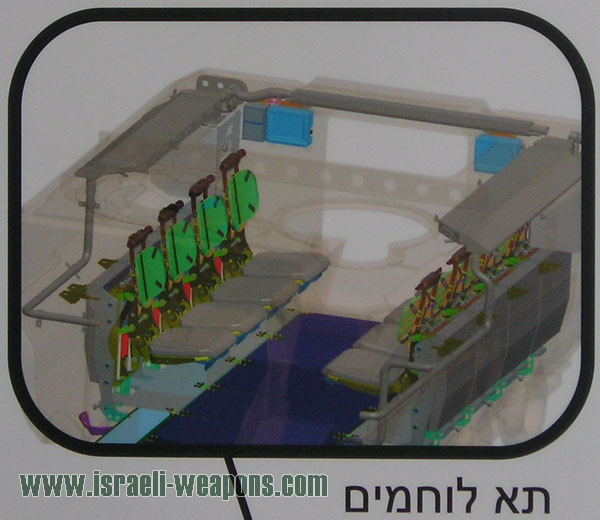
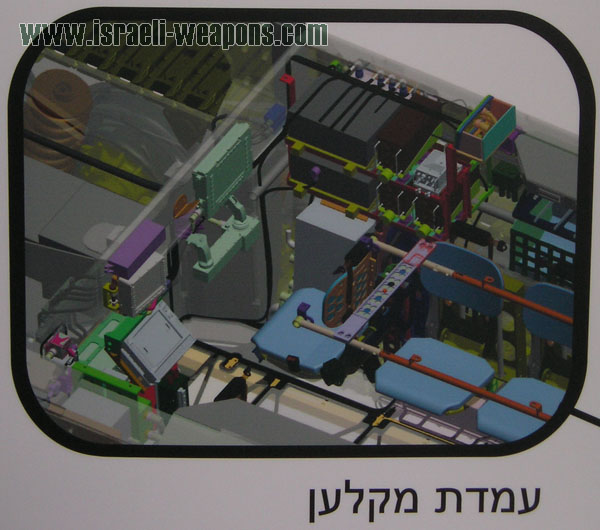
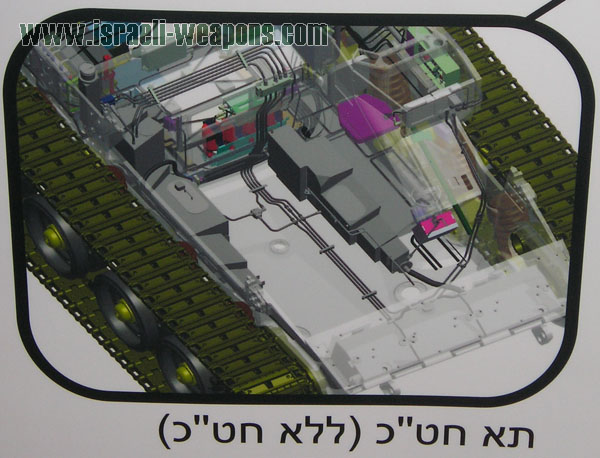
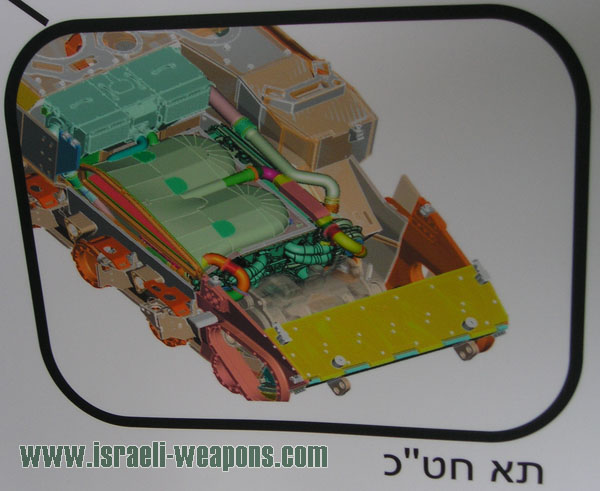
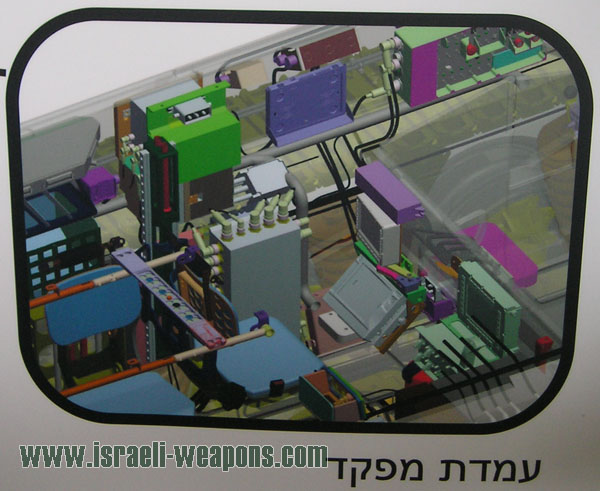
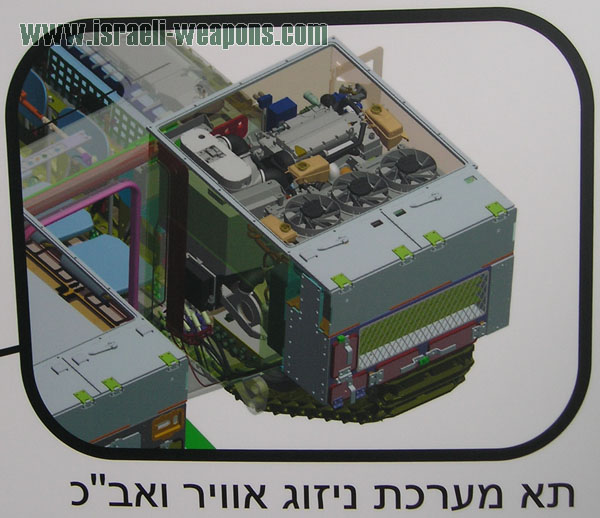
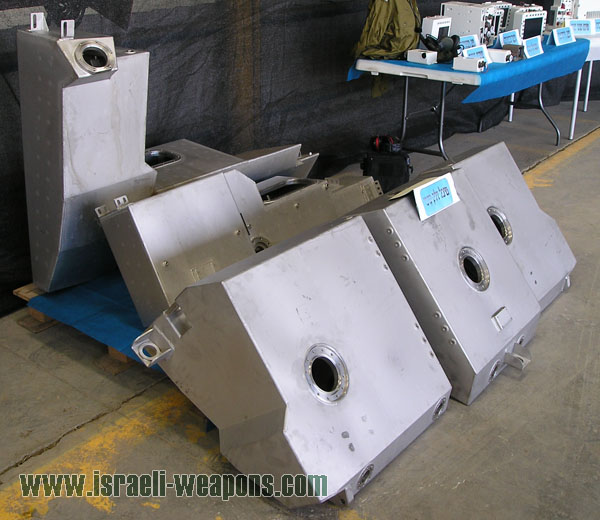
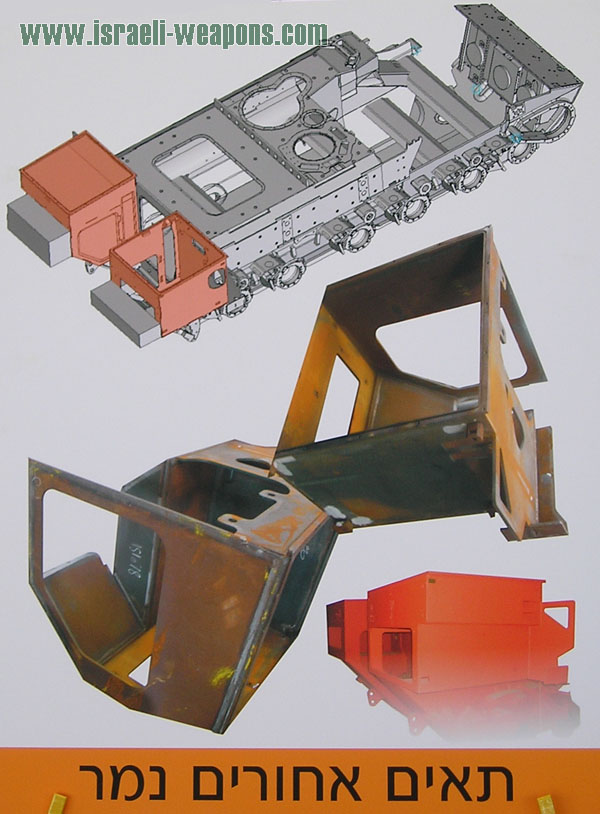
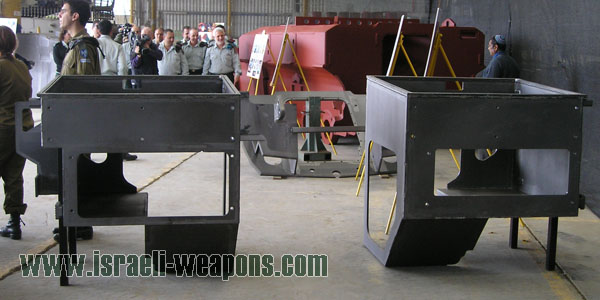
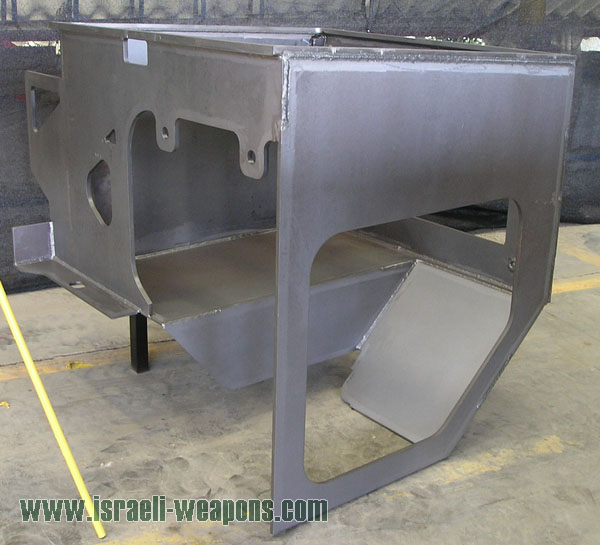
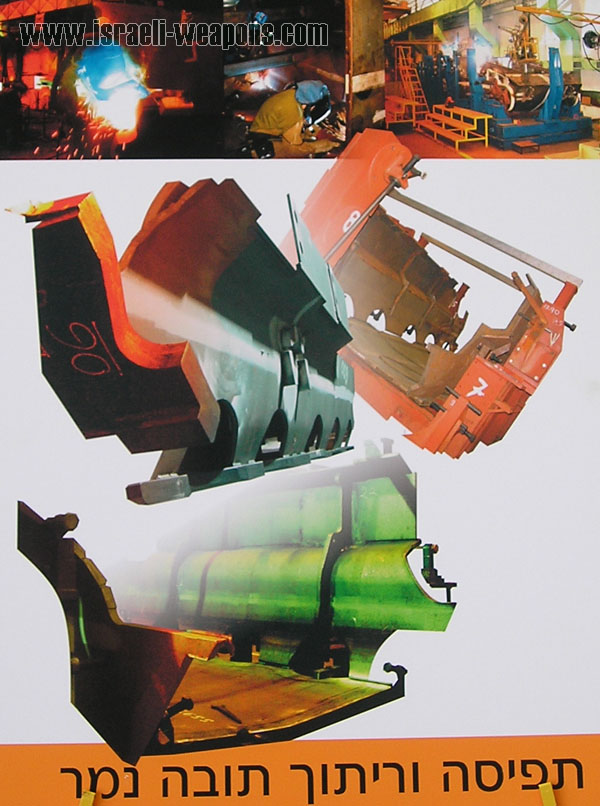
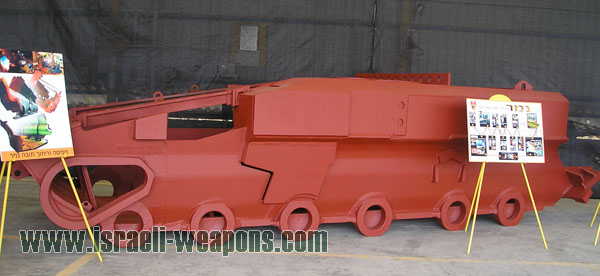
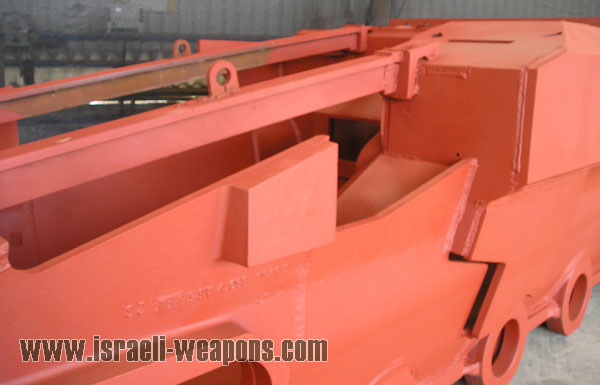
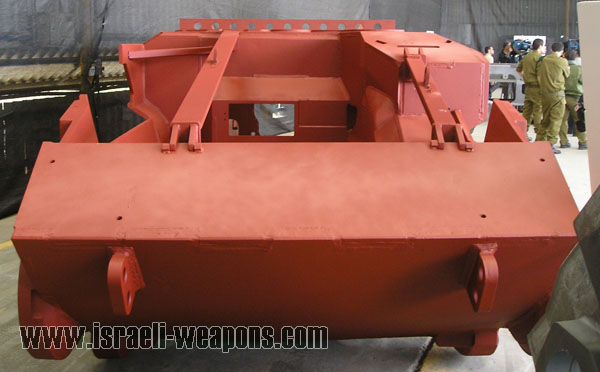
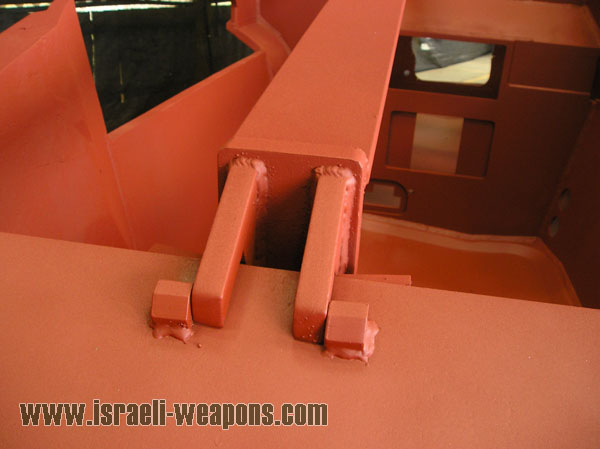
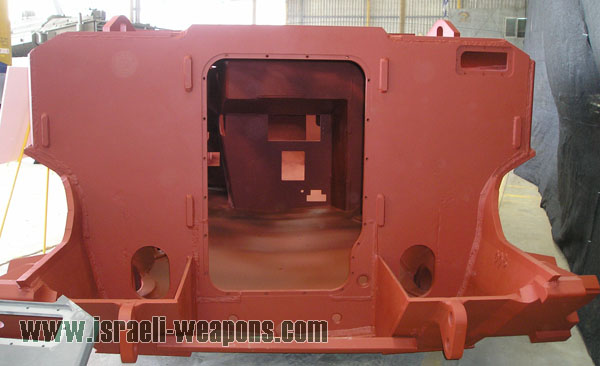
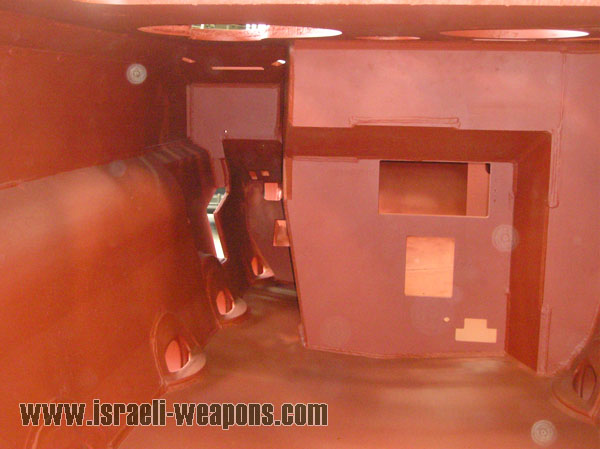
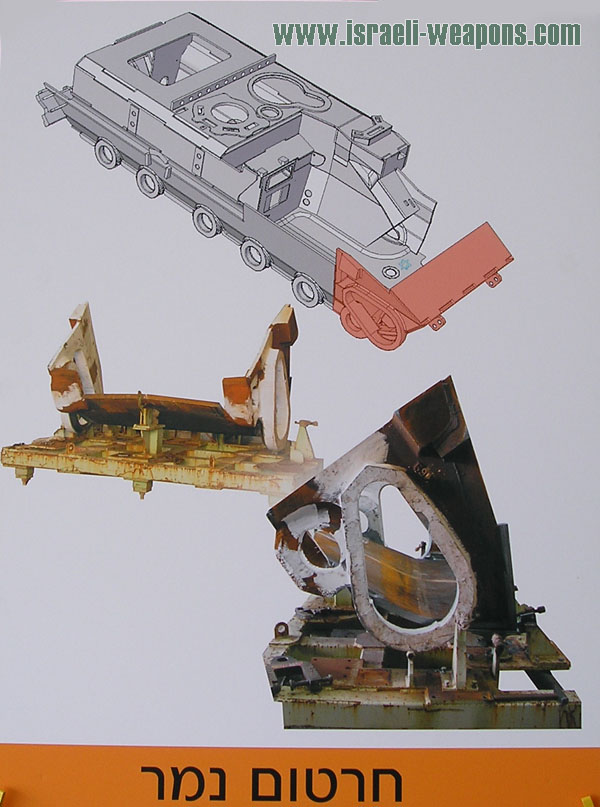
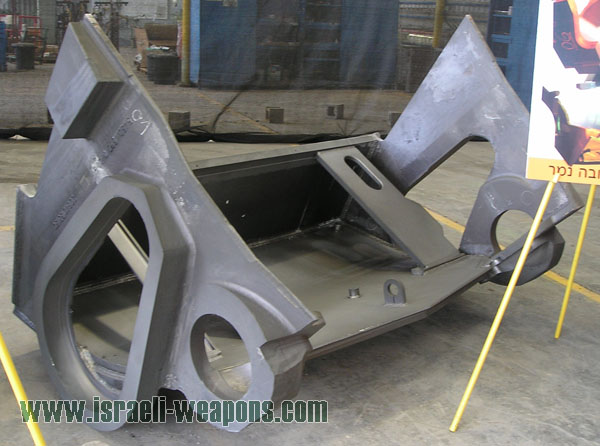
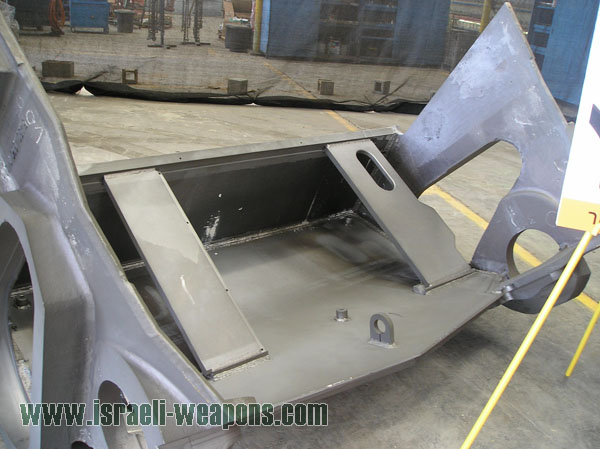
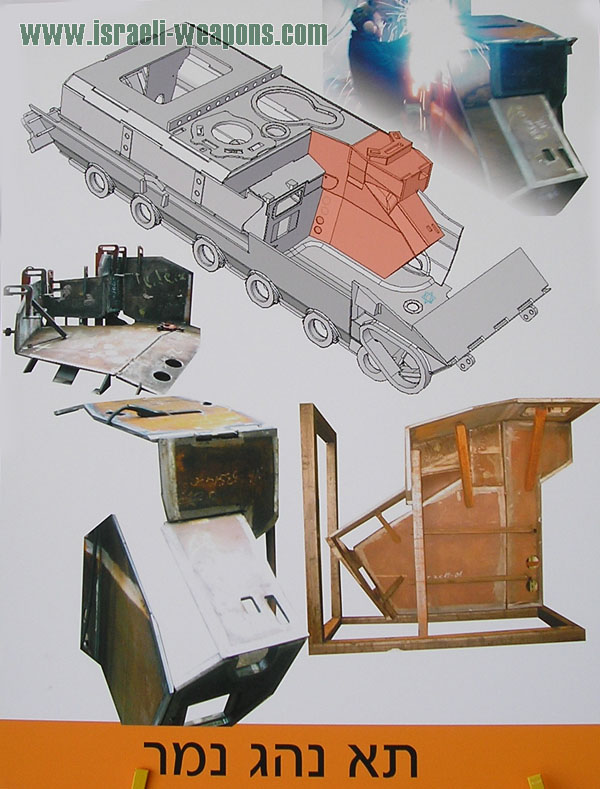
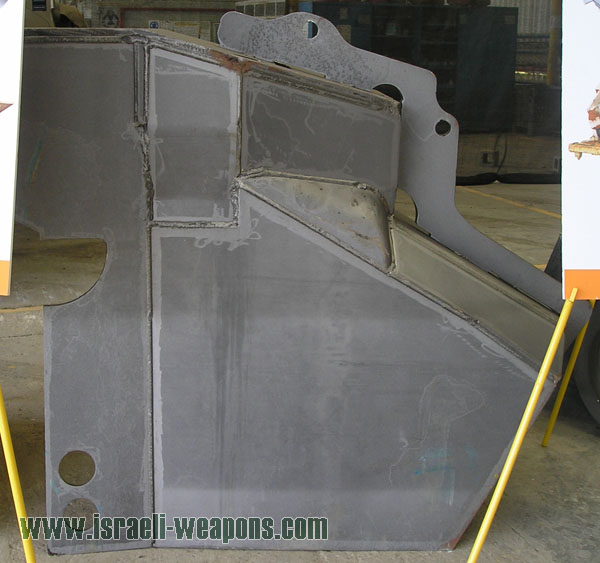
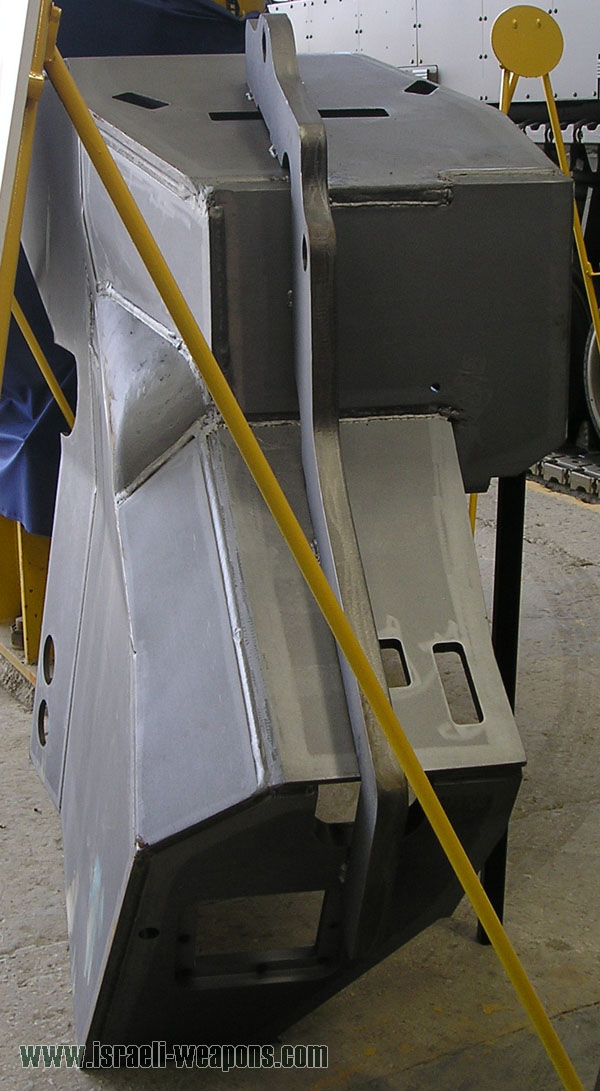
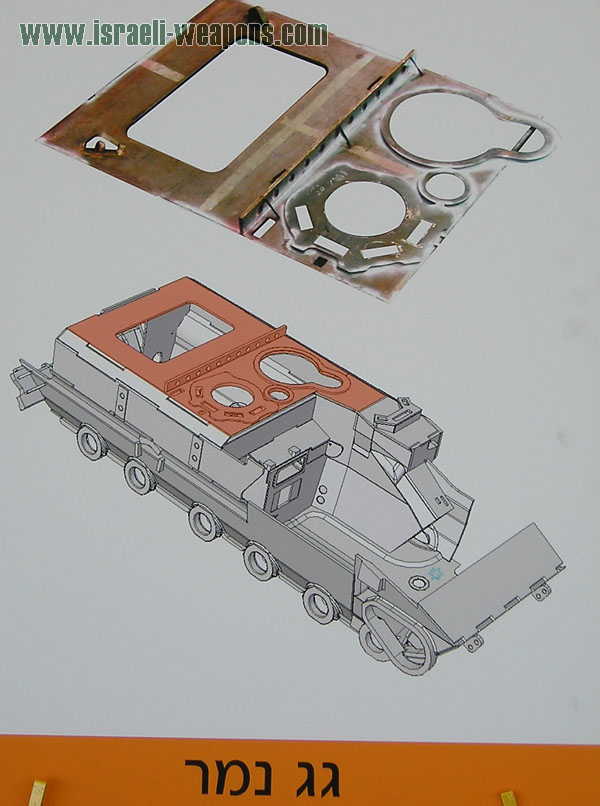
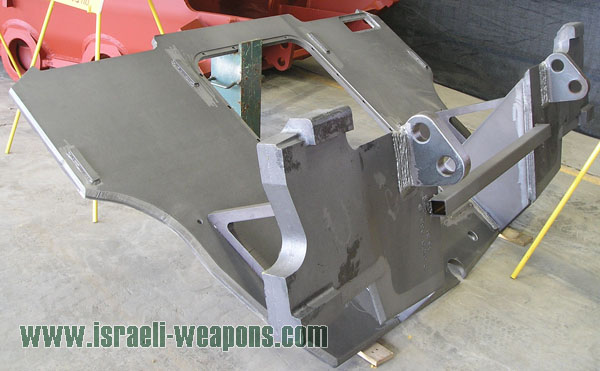
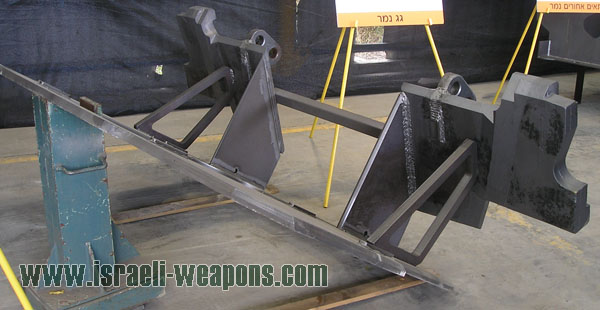
The Namer is an APC based on the Merkava tank. It is an advanced APC which is slated to enter combat service in the IDF. The Namer is based on the body of the Merkava 4, and much like a tank, it is capable of maneuvering in very difficult terrain. It has advanced defensive systems, and an internal air-conditioning unit which makes battle in areas contaminated by hazardous materials possible. The Namer has specialized equipment installed which is designated for various purposes. Among these apparatus are a number of machine guns, missile launchers, and reconnaissance equipment for daytime and night. Special stress was put on the protection of the soldiers within the APC, during its design stages. Among the many systems which will be installed on the Namer is the "wind coat", a system which identifies threats and neutralizes them, before they manage to hit the vehicle. The IDF decided to create this craft mostly due to the lessons learned in the battles of the Second Lebanon War, in the summer of 2006. The Namer will allow quicker and safer advancement of infantry forces, similar to that of the Armor forces. The Namer APC will be distributed to the Infantry and Engineering forces, with possible future plans for special models for Intelligence and command purposes. |
| |
| |
|
| |
| |
| The Namer APC is at the cutting edge of APC technology, and all that pertains to protecting foot soldiers in the IDF. The systems and technology which it sports are among the most advanced in the world, and they are mostly of Israeli manufacture. All of the companies which participated in the project did so while working closely with the IDF. The state of affairs in the Middle East, and continuous advances in technology, together with the willingness of the army to accept change, give the IDF an advantage on the battlefield. |
| |
| |
|
| |
|
 |
|
| |
|
| |
|
| |
|
| |
|
 |
|
| |
|
| |
|
 |
|
| |
|
| |
|
 |
|
| |
|
| |
|
 |
|
| |
|
| |
|
 |
|
| |
|
| |
|
 . . |
|
 |